

Homemade Simple Pasta Dough
Posted August 4th, 2026Some links on this website are affiliate links, which means I may earn a small commission at no additional cost to you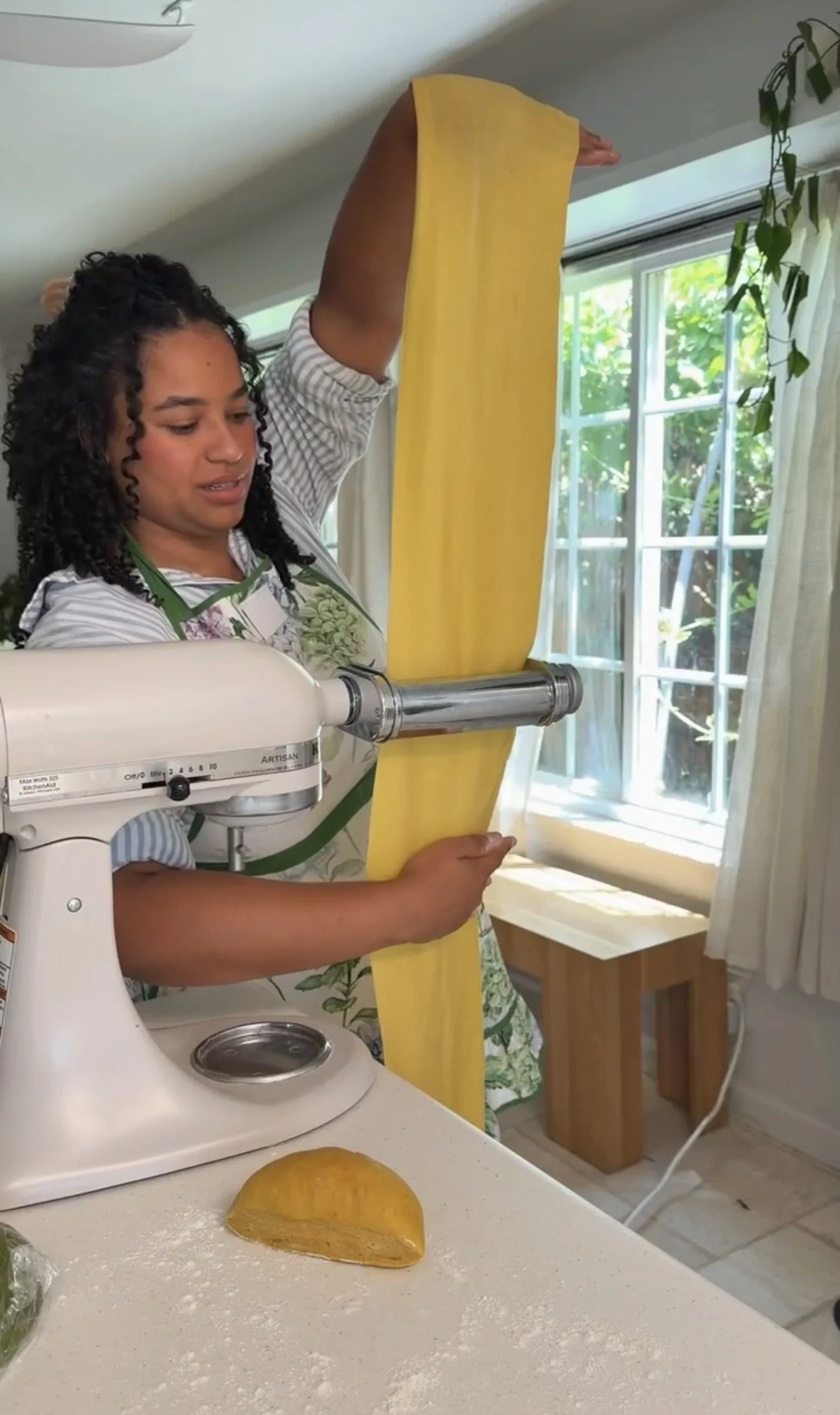
Homemade Fresh Pasta Dough
Makes: About 1 pound fresh pasta (4–6 servings)
Making fresh pasta from scratch is easier than you might think. With just a handful of simple ingredients, you'll have silky, tender pasta that's perfect for fettuccine, pappardelle, tagliatelle, ravioli, or lasagna sheets. Whether you roll it by hand or use a pasta machine, homemade pasta is one of those little kitchen projects that's always worth it.
Prep Time: 30 minutes (plus 30–60 minutes resting time)
Ingredients
3 cups (360g) all-purpose flour, plus more for dusting
4 large eggs, room temperature
1 tablespoon olive oil
½ teaspoon kosher salt
Instructions
Place the flour on a clean work surface or in a large bowl and make a well in the center.
Crack the eggs into the well and add the olive oil and salt. Using a fork, whisk the eggs together, gradually incorporating the flour from the inside edges until a shaggy dough forms.
Knead the dough by hand for 8 to 10 minutes, adding a light dusting of flour if needed, until smooth, elastic, and slightly tacky but not sticky.
Wrap the dough tightly in plastic wrap and let it rest at room temperature for 30 minutes.
Divide the dough into 4 equal pieces. Working with one piece at a time, keep the remaining dough covered to prevent it from drying out. You can divide the dough into two pieces instead if you love longggggggggg crazy noodles like me!
Roll the dough using a pasta machine or a rolling pin until it reaches your desired thickness. Cut into your favorite pasta shape or use for ravioli or lasagna.
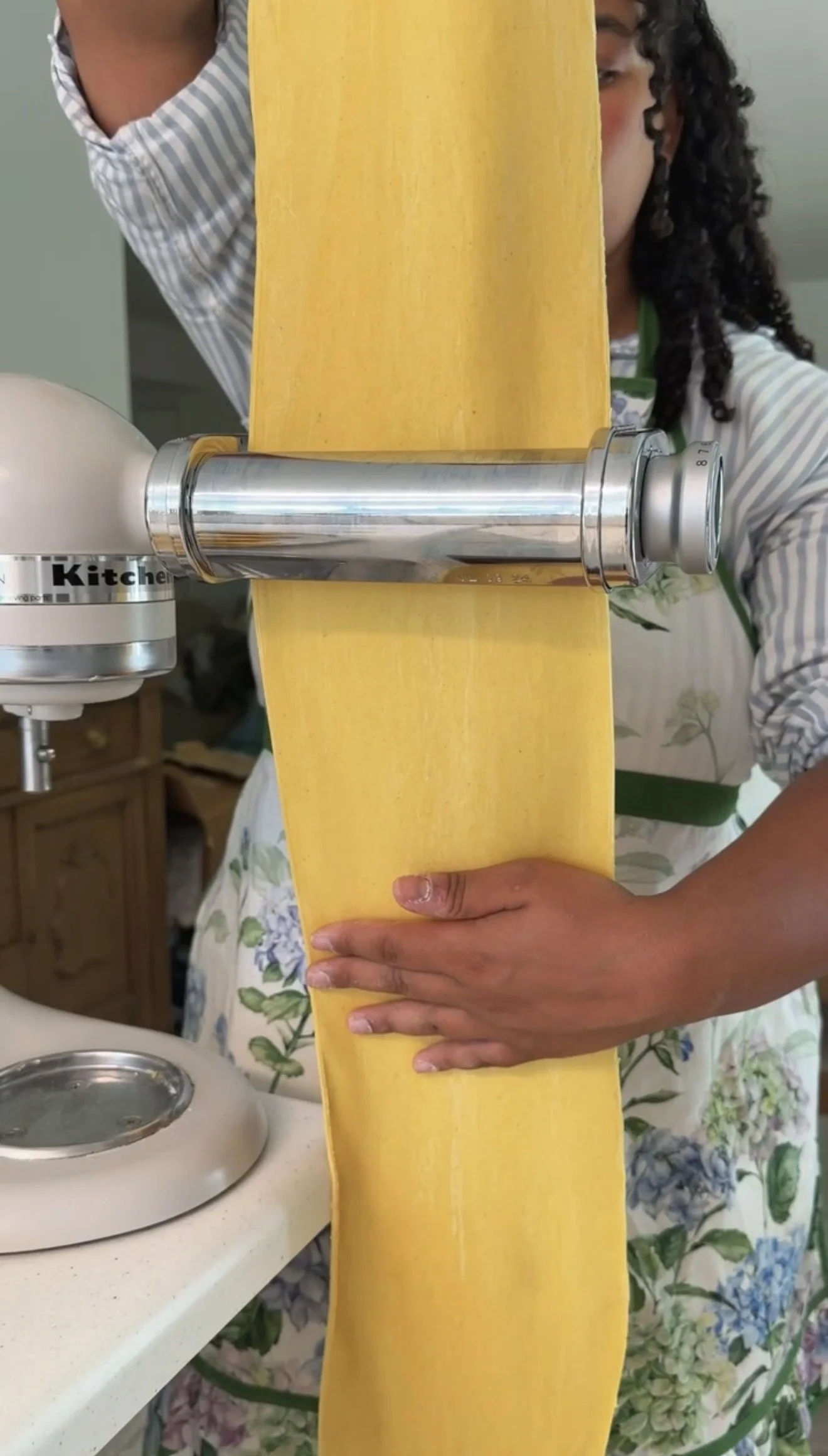
You can really make any kind of pasta with this versatile dough!
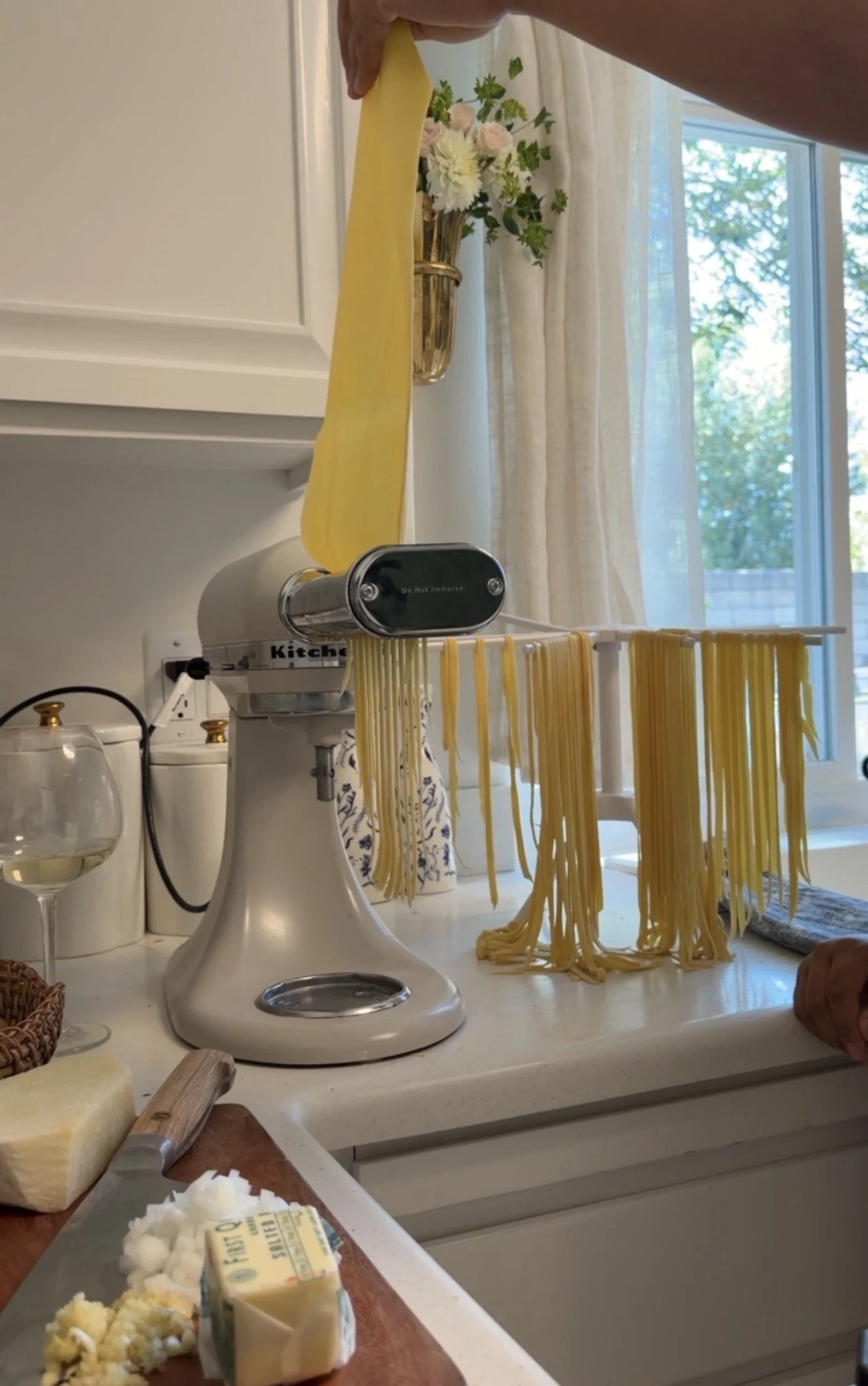
Tip: Simmer your pasta sauce while the dough is resting! You can also use a drying rack to set aside your pasta to dry for an hour or so before guests come!
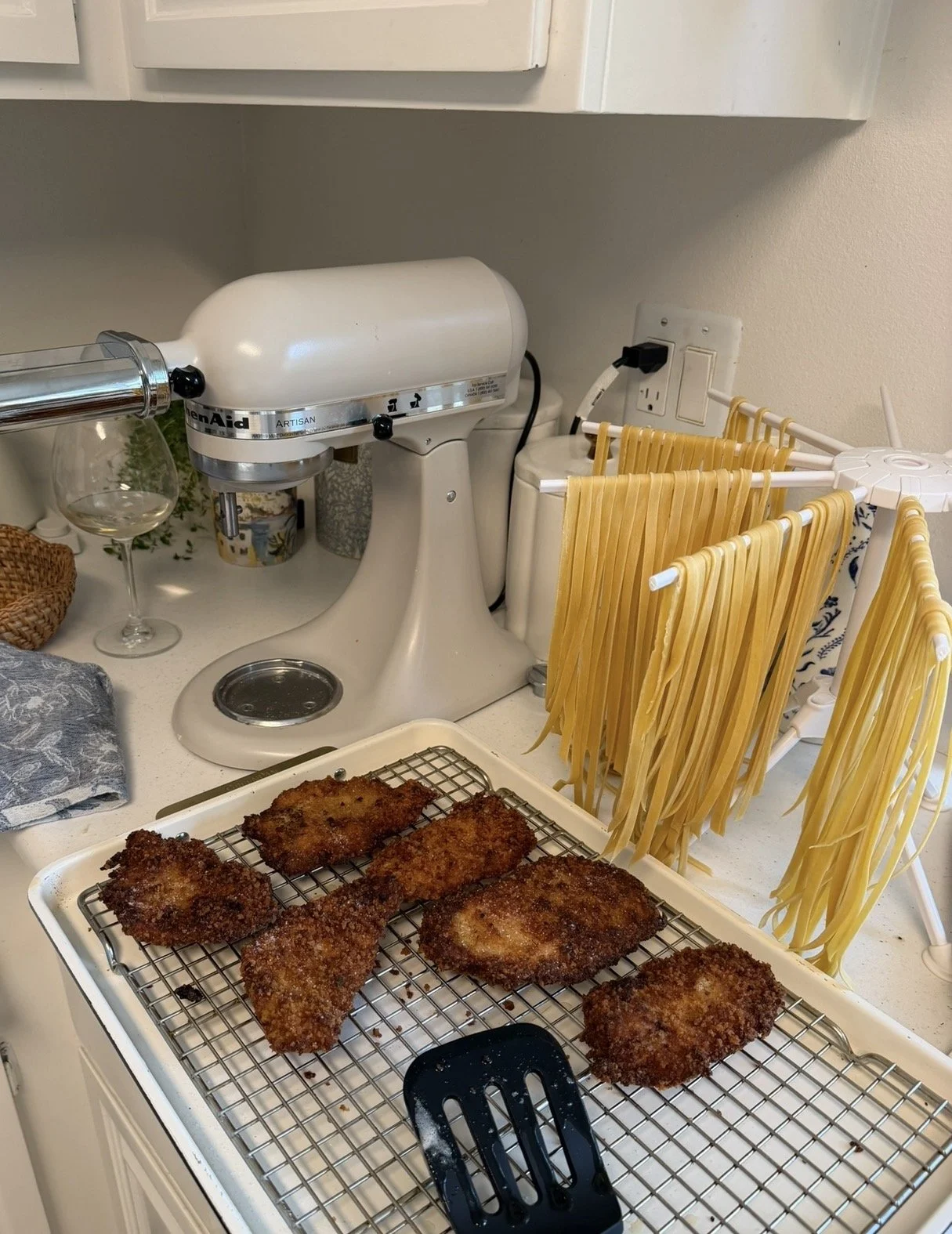
Here’s the drying rack I use! It’s $10 (at the time of posting) and allows me extra time to work on my sauces and other dishes before cooking the pasta since it cooks so quickly. You can also put your pasta into little nests but I like the drying rack method more
Cook fresh pasta in generously salted boiling water for 2 to 4 minutes, depending on the thickness. I have found that three minutes is usually the sweet spot! Be careful as homemade pasta can overcook quickly.
Madeline's Tip
Don't be intimidated by homemade pasta—it comes together with just a few pantry staples and a little bit of kneading. If you have a KitchenAid® stand mixer, you can use the dough hook to knead the dough, then switch to the KitchenAid® pasta roller and cutter attachments to roll and cut your pasta. I love to knead with my hands but use the pasta cutter for spaghetti and fettuccini. For ravioli, I love shaping with my hands.
Storage: Wrap the dough tightly and refrigerate for up to 24 hours before rolling, or freeze for up to 2 months. Fresh-cut pasta can be lightly dusted with flour, formed into nests, and refrigerated for up to 1 day before cooking.
FAQ’s
Do I need a pasta machine?
Not at all! A pasta machine makes rolling the dough easier and helps create an even thickness, but it's not required. You can roll the dough by hand with a rolling pin until it's very thin, then cut it into noodles using a sharp knife or pizza cutter. The pasta may be a little more rustic, but it'll be just as delicious.
Can I use a KitchenAid® stand mixer?
Absolutely! Use the dough hook to knead the dough until it's smooth and elastic. Then switch to the KitchenAid® pasta roller and cutter attachments to roll and shape your pasta. Start on the widest roller setting and gradually work your way thinner until you reach your desired thickness.
What if my dough feels too dry?
Fresh pasta dough is incredibly forgiving. If it seems dry or crumbly, wet your hands with a few drops of water and continue kneading. The dough will usually come together as you work it.
What if my dough is too sticky?
Sprinkle in a little flour—a tablespoon at a time—while kneading until the dough is smooth and no longer sticks to your hands. Try not to add too much flour, as it can make the pasta tough.
How long should I let the dough rest?
Resting the dough for 30 to 60 minutes is one of the most important steps. It allows the gluten to relax, making the dough much easier to roll and helping create tender pasta.
What shapes can I make?
This dough is wonderfully versatile! Try making:
Fettuccine
Tagliatelle
Pappardelle
Linguine
Lasagna sheets
Ravioli
Tortellini
Farfalle (bow ties)
Maltagliati (rustic hand-cut pasta)
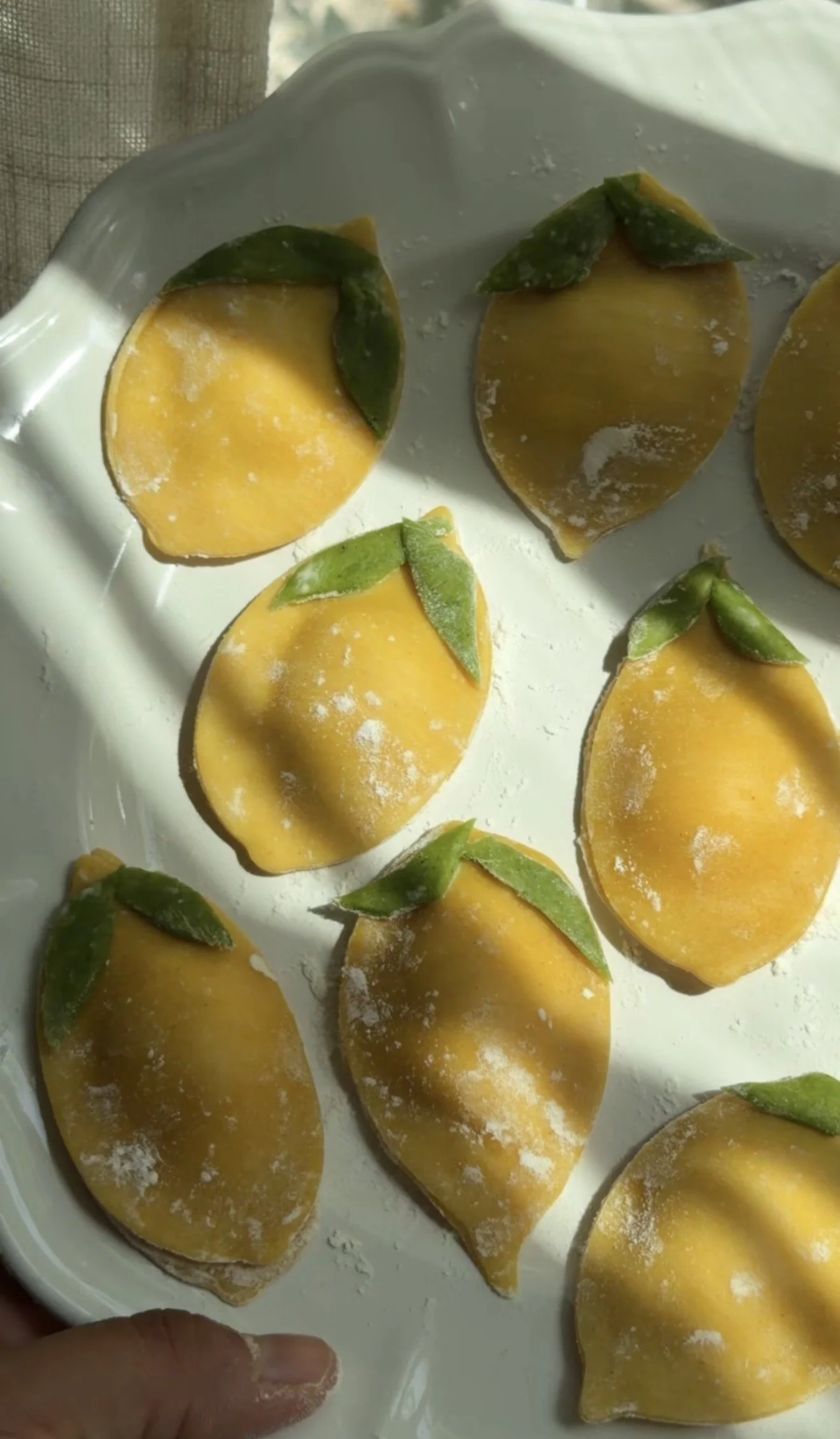
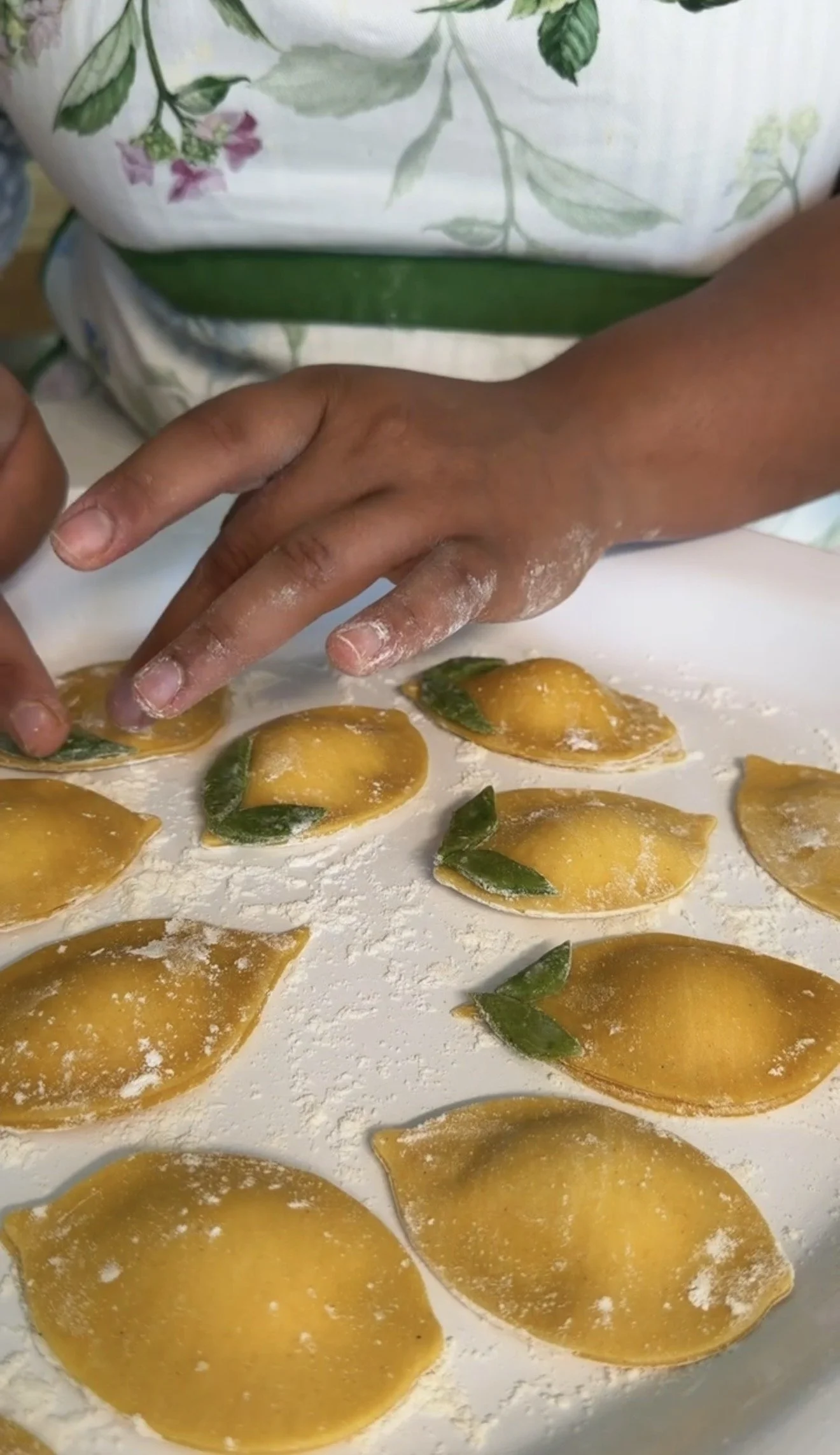
Look at this fun ravioli I made with this dough!! I made a quick ricotta filling, dyed my pasta with spinach & turmeric, and shaped them into little lemons! SO. MUCH. FUN!!!! Once you learn one pasta, you can learn them all!
Cook With Me:
Shop This Recipe
Shop my KitchenAid Pasta Attachment, outfits, & tabletop on LTK here
Hungry For More?
Deciding what to make with this homemade pasta? Try my Homemade Creamy Vodka Pasta Topped With Crispy Chicken Cutlets.
Fresh From My Kitchen
Watch the Recipes


A Recipe by Madeline May
Homemade Fresh Pasta Dough
Ingredients
Pasta Dough
Instructions
- Make the doughPlace the flour on a clean work surface or in a large bowl and make a well in the center. Crack the eggs into the well and add the olive oil and salt. Using a fork, whisk the eggs together, gradually incorporating flour from the inside edges until a shaggy dough forms.
- Knead until smoothKnead the dough by hand for 8 to 10 minutes, adding only a light dusting of flour as needed, until it is smooth, elastic, and slightly tacky but not sticky. Alternatively, knead it in a KitchenAid® stand mixer fitted with the dough hook on low speed until smooth and elastic.
- Rest the doughWrap the dough tightly in plastic wrap and let it rest at room temperature for 30 to 60 minutes. This gives the flour time to hydrate and allows the gluten to relax, making the dough much easier to roll.
- Divide and rollDivide the dough into 4 equal pieces. Work with one piece at a time and keep the remaining dough covered so it does not dry out. Flatten the dough slightly, then roll it with a pasta machine, rolling pin, or the KitchenAid® pasta roller attachment until it reaches your desired thickness.
- Cut the pastaCut the sheets into fettuccine, tagliatelle, or another favorite shape using a knife, pasta cutter, or KitchenAid® cutter attachment. You can also leave the sheets whole for lasagna or use them to make ravioli.
- CookBring a large pot of generously salted water to a boil. Add the fresh pasta and cook for 2 to 4 minutes, depending on its thickness, until tender but still pleasantly chewy. Drain and serve immediately with your favorite sauce.
Storage
Wrap the unrolled dough tightly and refrigerate for up to 24 hours, or freeze for up to 2 months. Lightly dust fresh-cut pasta with flour, form it into loose nests, and refrigerate for up to 1 day before cooking.
KitchenAid® Method
Use the dough hook to knead the pasta dough, then switch to the pasta roller and cutter attachments to roll and shape it. Begin on the widest roller setting and gradually work toward your preferred thickness.
Madeline’s Tip
Do not be intimidated by homemade pasta. It comes together with only a few pantry staples, and the resting time does most of the work for you. If the dough feels dry, wet your hands with a few drops of water and keep kneading. If it feels sticky, add only a light dusting of flour. The finished dough should feel smooth, supple, and similar to soft modeling clay.
Browse More Recent Recipes


Homemade Simple Pasta Dough